12 AI Tools for Marketing in 2025
Marketing teams worldwide are racing against time, juggling countless campaigns, analyzing mountains of data, and creating content at lightning speed. The pressure is real, and the competition is fierce. But here’s the game-changing truth: AI tools for marketing have evolved from simple automation helpers to intelligent powerhouses that can transform your entire marketing operation. In 2025, these tools aren’t just nice-to-have additions; they’re the difference between thriving and merely surviving in the digital marketing landscape.
Learn about the 12 powerful AI marketing tools that can revolutionize your team’s efficiency and ROI in 2025. From advanced content creation platforms to intelligent automation systems, these tools are helping marketing teams achieve 37% lower acquisition costs and 25% higher conversion rates while saving hours of manual work daily.

Why AI Tools for Marketing Are Essential in 2025
The marketing landscape has shifted dramatically. With 88% of digital marketers now using AI tools in their daily operations, artificial intelligence has become the secret weapon for competitive advantage. The numbers speak for themselves: companies implementing AI marketing automation report a $5.44 return for every dollar spent, with 76% seeing returns within the first year.
Did You Know?
The global AI marketing industry is projected to reach $107.5 billion by 2028 , growing at an impressive 36.6% annually. This explosive growth reflects how essential these AI tools for marketing have become for business success.
Modern marketing teams face unprecedented challenges: shorter attention spans, increased content demands, complex customer journeys, and the need for personalization at scale. Traditional marketing methods simply can’t keep pace. That’s where artificial intelligence steps in, offering solutions that work around the clock, analyze data in real-time, and deliver personalized experiences that human teams alone couldn’t achieve.
12 Revolutionary AI Tools for Marketing Success in 2025
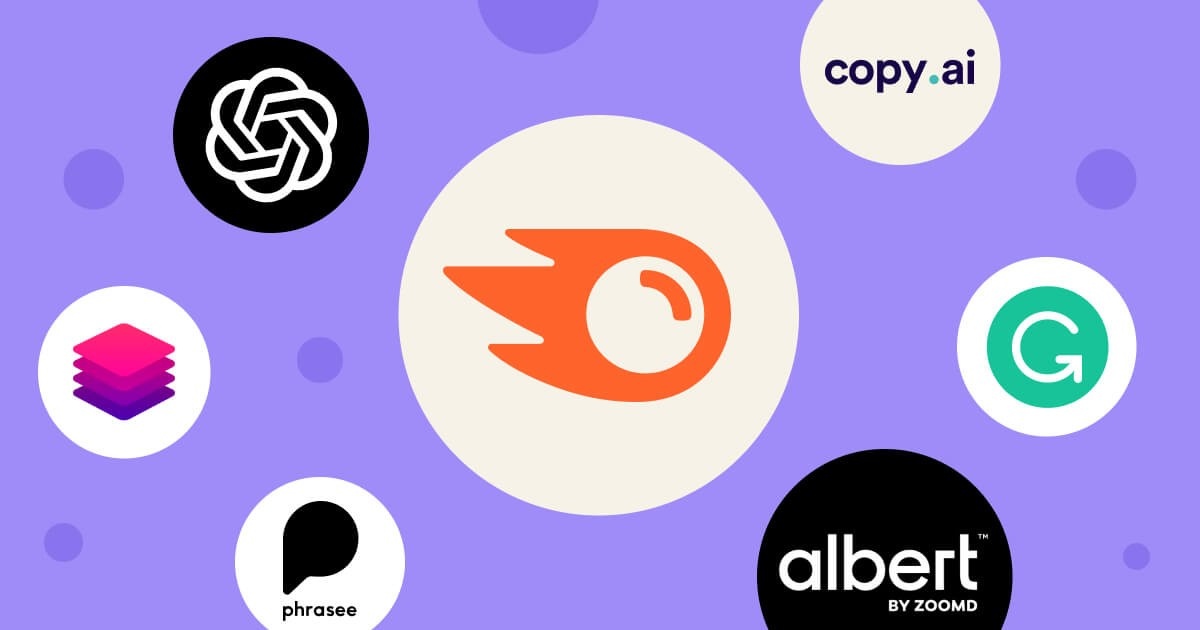
1. ChatGPT and OpenAI Solutions
OpenAI’s ChatGPT has transformed from a simple chatbot into a comprehensive marketing assistant. Marketing teams leverage ChatGPT for content creation, campaign analysis, market research, and strategic planning. The latest GPT-5 model offers PhD-level expertise in programming and writing, making it invaluable for complex marketing challenges.
Key Features:
- Content generation and editing
- Market research analysis
- Campaign strategy development
- Email marketing optimization
- Social media content creation
Why Marketing Teams Love It: ChatGPT integrates with Google Drive and other business tools, allowing teams to maintain context across projects. The AI doesn’t train on company data, ensuring privacy while delivering tailored responses.
2. HubSpot AI Marketing Suite
HubSpot continues leading the marketing automation revolution with its AI-powered platform. The system provides intelligent lead scoring, automated email campaigns, and predictive analytics that help teams focus on high-value prospects.
Key Features:
- AI-driven lead scoring and qualification
- Automated email sequences based on user behavior
- Predictive analytics for campaign performance
- Smart content personalization
- Integrated CRM with AI insights
Impact on ROI: HubSpot users report a significant increase in marketing ROI through better targeting and automated workflows.
3. Jasper AI for Content Creation
Jasper AI has evolved into a content creation powerhouse, helping marketing teams produce blog posts, social media captions, ad copy, and email campaigns at scale. The platform’s Brand Voice feature ensures all content maintains consistency across channels.
Key Features:
- Multi-format content generation
- Brand voice customization
- API integration for workflow automation
- Team collaboration tools
- SEO optimization suggestions
4. Surfer SEO with AI Content Optimization
Surfer SEO combines AI-powered content creation with real-time optimization metrics. The platform helps marketing teams create content that ranks well while meeting quality standards.
Key Features:
- AI-generated content with SEO optimization
- Real-time content scoring
- Competitor analysis integration
- Keyword research automation
- Content performance tracking
5. Brand24 for AI-Powered Social Listening
Brand24 uses artificial intelligence to monitor brand mentions, analyze sentiment, and provide competitive insights across social platforms. This tool helps marketing teams stay ahead of trends and protect their brand reputation.
Key Features:
- AI sentiment analysis
- Real-time brand mention alerts
- Competitor monitoring
- Influencer identification
- Automated reporting
6. ActiveCampaign’s AI Marketing Automation
ActiveCampaign uses machine learning to optimize email campaigns, predict customer behavior, and automate complex marketing workflows. The platform’s AI determines optimal send times and personalizes content based on user interactions.
Key Features:
- Predictive sending optimization
- Behavioral-based automation
- AI lead scoring
- Dynamic content personalization
- Advanced segmentation
7. Canva’s AI Design Studio
Canva Magic Studio has revolutionized visual content creation for marketing teams. The AI-powered design tools can generate images, create video content, and produce professional graphics in minutes.
Key Features:
- AI image generation
- Automated design suggestions
- Video creation tools
- Brand kit integration
- Collaborative design workflows
8. Drift’s Conversational AI
Drift specializes in conversational marketing, using AI chatbots to engage website visitors, qualify leads, and book meetings automatically. The platform integrates seamlessly with CRM systems for comprehensive lead management.
Key Features:
- AI-powered chatbots
- Lead qualification automation
- Meeting scheduling integration
- Visitor behavior tracking
- Personalized conversation flows
9. Semrush AI Content Toolkit
Semrush has expanded beyond SEO to include comprehensive AI marketing tools. The platform now offers content creation, social media management, and AI-powered competitive analysis.
Key Features:
- AI content generation
- Keyword research automation
- Competitor content analysis
- Social media planning
- Performance tracking across channels
10. Mailchimp’s AI Marketing Platform
Mailchimp integrates artificial intelligence across email marketing, audience segmentation, and campaign optimization. The platform’s AI analyzes customer behavior to deliver personalized experiences at scale.
Key Features:
- Smart segmentation
- Predictive demographics
- Send time optimization
- Content recommendations
- Automated A/B testing
11. Grammarly Business for Marketing Teams
Grammarly Business goes beyond grammar checking to provide tone analysis, brand voice consistency, and plagiarism detection. Marketing teams use it to ensure all content meets professional standards.
Key Features:
- Advanced grammar and style checking
- Tone and voice analysis
- Brand guideline enforcement
- Team collaboration features
- Plagiarism detection
12. Adobe Sensei Marketing AI
Adobe Sensei powers intelligent automation across Adobe’s creative and marketing suite. The AI helps teams create personalized experiences, optimize campaigns, and analyze performance data.
Key Features:
- Intelligent image editing
- Automated personalization
- Predictive analytics
- Cross-channel optimization
- Real-time decision making
Want to discover how AI content creation can transform your marketing results? Let Sybrid guide you.
The ROI Impact: How AI Tools Transform Marketing Performance
Marketing teams implementing AI tools for marketing report significant improvements across key metrics. Companies achieve 37% lower customer acquisition costs and 25% higher conversion rates through strategic AI implementation. The efficiency gains are equally impressive: teams save an average of 5-10 hours per week on routine tasks, allowing focus on strategic initiatives.
Did You Know?
Organizations investing deeply in AI for marketing see sales ROI improve by 10-20% on average, while 92% report productivity gains from AI implementation.
The transformation goes beyond time savings. AI tools provide deeper customer insights, enable personalization at scale, and predict market trends before they fully emerge. This predictive capability allows marketing teams to stay ahead of competitors and capture opportunities early.
Learn how AI-powered marketing automation can revolutionize your team’s efficiency and ROI. Let Sybrid help you navigate.
Best Practices for Implementing AI Tools for Marketing
Start with Clear Objectives
Define specific goals for your AI implementation. Whether it’s reducing content creation time, improving lead quality, or increasing campaign ROI, clear objectives help you choose the right tools and measure success effectively.
Focus on Data Quality
AI tools are only as good as the data they process. Ensure your customer data is clean, organized, and accessible. Poor data quality leads to ineffective AI recommendations and wasted resources.
Train Your Team
Invest in proper training for your marketing team. 54% of marketers believe generative AI training is necessary for successful adoption. Teams with adequate training report 43% higher success rates in AI project deployment.
Integrate Gradually
Don’t overwhelm your team with too many AI tools at once. Start with one or two core platforms and gradually expand as your team becomes comfortable with AI-powered workflows.
Monitor and Optimize
Continuously track performance metrics and adjust your AI strategies based on results. The most successful teams treat AI implementation as an ongoing optimization process rather than a one-time setup.
The Future is Now: Transform Your Marketing with AI
The marketing landscape of 2025 demands more than traditional approaches. AI tools for marketing have evolved from experimental technologies to essential business systems that drive growth, efficiency, and competitive advantage. The teams that embrace these tools today will dominate tomorrow’s marketplace.
As artificial intelligence continues advancing, the gap between AI-powered marketing teams and those using traditional methods will only widen. The question isn’t whether you should adopt AI tools for marketing, it’s how quickly you can implement them to stay competitive.
Ready to transform your marketing operations with cutting-edge AI solutions? Let Sybrid help you navigate the AI revolution and implement the perfect tools for your marketing team’s success. Our expert team specializes in AI-powered business solutions and can guide you through every step of your AI transformation journey.
Connect with us today and see how Sybrid’s artificial intelligence services can enhance your marketing performance to new heights.
Frequently Asked Questions
What is the use of AI for marketing?
AI is widely used in marketing to automate tasks, analyze large amounts of customer data, personalize communication, and optimize campaigns. It helps marketing teams predict consumer behavior, create targeted content, manage social media, run automated email campaigns, and improve customer engagement. Essentially, AI tools enable marketers to work smarter and deliver more relevant experiences to their audiences.
Is 90% of marketing AI?
By 2025, over 90% of businesses are expected to use AI technologies in some form within their marketing efforts. This doesn’t mean all marketing is run solely by AI, but rather that AI is integrated broadly across many marketing activities, such as data analysis, content creation, and campaign automation, making it a near-ubiquitous tool for marketers worldwide.
What is the No. 1 AI tool?
There isn’t a definitive “No. 1” AI tool universally because different marketing teams need different tools based on their goals. However, tools like ChatGPT (OpenAI’s language model) have become some of the most influential for content creation, campaign ideas, and customer interaction. Platforms like HubSpot and Jasper AI are also widely praised for comprehensive marketing automation and content generation capabilities.
How to start AI digital marketing?
To start with AI in digital marketing:
- Identify key marketing goals like automating email campaigns, improving content quality, or enhancing customer insights.
- Choose beginner-friendly AI tools such as content generators, chatbots, or data analytics platforms.
- Train your team on how to integrate these tools smoothly into your existing workflows.
- Start small by automating routine tasks like social media posting or lead scoring.
- Monitor results and optimize your AI strategies based on performance data.
- Gradually expand AI use as your confidence and knowledge grow.
What are the best AI tools for marketing beginners?
For marketing teams new to AI, start with user-friendly platforms like ChatGPT for content creation, Canva AI for design, and HubSpot for marketing automation. These tools offer intuitive interfaces and extensive support resources.
How much can AI tools reduce marketing costs?
Companies typically see 15-40% cost reductions through AI implementation, primarily from automated processes, improved targeting, and reduced manual labor. The exact savings depend on your current processes and the AI tools you choose.