3D animation has become a cornerstone of the gaming industry, revolutionizing how video games are designed, developed, and experienced. This powerful technology brings characters, environments, and stories to life, providing players with immersive and visually stunning experiences that were once unimaginable.
Enhanced Realism and Immersion
One of the most significant impacts of 3D animation in gaming is the enhanced realism and immersion it provides. Advanced 3D modeling techniques enable game developers to create highly detailed characters and environments that mimic real-world physics and lighting. This level of detail makes the game world feel more tangible and engaging, allowing players to lose themselves in the experience. Games like “The Last of Us Part II” and “Red Dead Redemption 2” are prime examples of how 3D animation can create lifelike graphics and realistic character movements that captivate players.
Dynamic and Interactive Environments
3D animation also allows for the creation of dynamic and interactive environments. In modern video games, players can interact with their surroundings in ways that were not possible with traditional 2D graphics. Objects can be manipulated, environments can change in real-time, and complex physics can be simulated to create a more believable and engaging experience. This interactivity adds a layer of depth to gameplay, making it more engaging and rewarding. For instance, in games like “The Legend of Zelda: Breath of the Wild,” the 3D animated world reacts to the player’s actions, creating a seamless and interactive gaming experience.
Emotional Storytelling
The use of 3D animation in gaming has also significantly enhanced the emotional storytelling aspect of video games. With detailed character models and expressive animations, game developers can convey a wide range of emotions, making the characters more relatable and the story more impactful. This capability allows for deeper narrative experiences, where players can connect with characters on an emotional level. Games like “Life is Strange” and “Detroit: Become Human” utilize 3D animation to create emotionally charged scenes that resonate with players and elevate the storytelling experience.
Innovative Gameplay Mechanics
3D animation has enabled the development of innovative gameplay mechanics that enhance the overall gaming experience. Developers can create complex animations that allow for fluid and dynamic character movements, unique combat systems, and intricate puzzles. This innovation leads to more engaging and challenging gameplay, as seen in titles like “Dark Souls” and “Sekiro: Shadows Die Twice,” where precise animations are crucial for the gameplay mechanics and player success.
Virtual Reality Integration
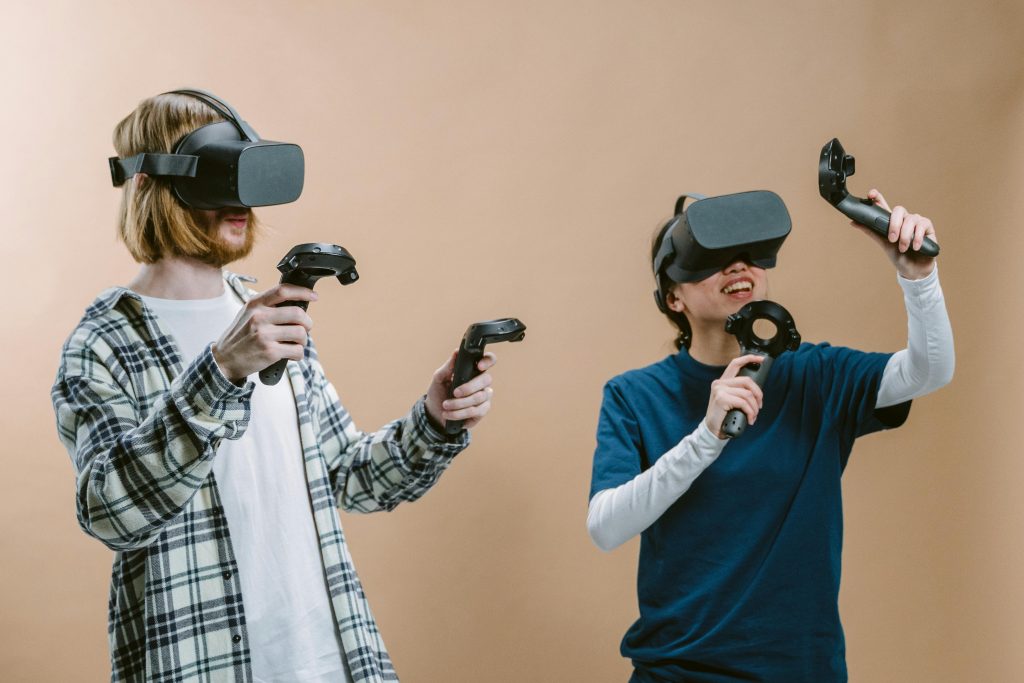
The integration of 3D animation with virtual reality (VR) has opened up new possibilities for immersive gaming experiences. VR relies heavily on 3D animation to create realistic and interactive virtual worlds that players can explore. This combination allows for a heightened sense of presence and immersion, making players feel as though they are truly inside the game. Games like “Half-Life: Alyx” showcase the potential of 3D animation and VR to deliver groundbreaking experiences that redefine the boundaries of traditional gaming.

Conclusion
3D animation has transformed the gaming industry by providing enhanced realism and immersion, creating dynamic and interactive environments, enabling emotional storytelling, fostering innovative gameplay mechanics, and integrating with virtual reality. As technology continues to advance, the role of 3D animation in gaming will only grow, pushing the boundaries of what is possible and delivering even more captivating and immersive experiences for players. By leveraging the power of 3D animation, game developers can create worlds that are not only visually stunning but also deeply engaging and emotionally resonant, shaping the future of the gaming industry.