The Journey of Game Design
Game design is an intricate and dynamic process that blends creativity, storytelling, and technical expertise to craft engaging gaming experiences. From the first spark of an idea to fully developed virtual worlds, the journey of game design is a mix of innovation and artistry. In this blog, we will explore the key stages of game development, tracing the steps from early concept art to the creation of immersive, interactive worlds, while highlighting the latest trends and technologies shaping the industry in 2025.
What is Concept Art?
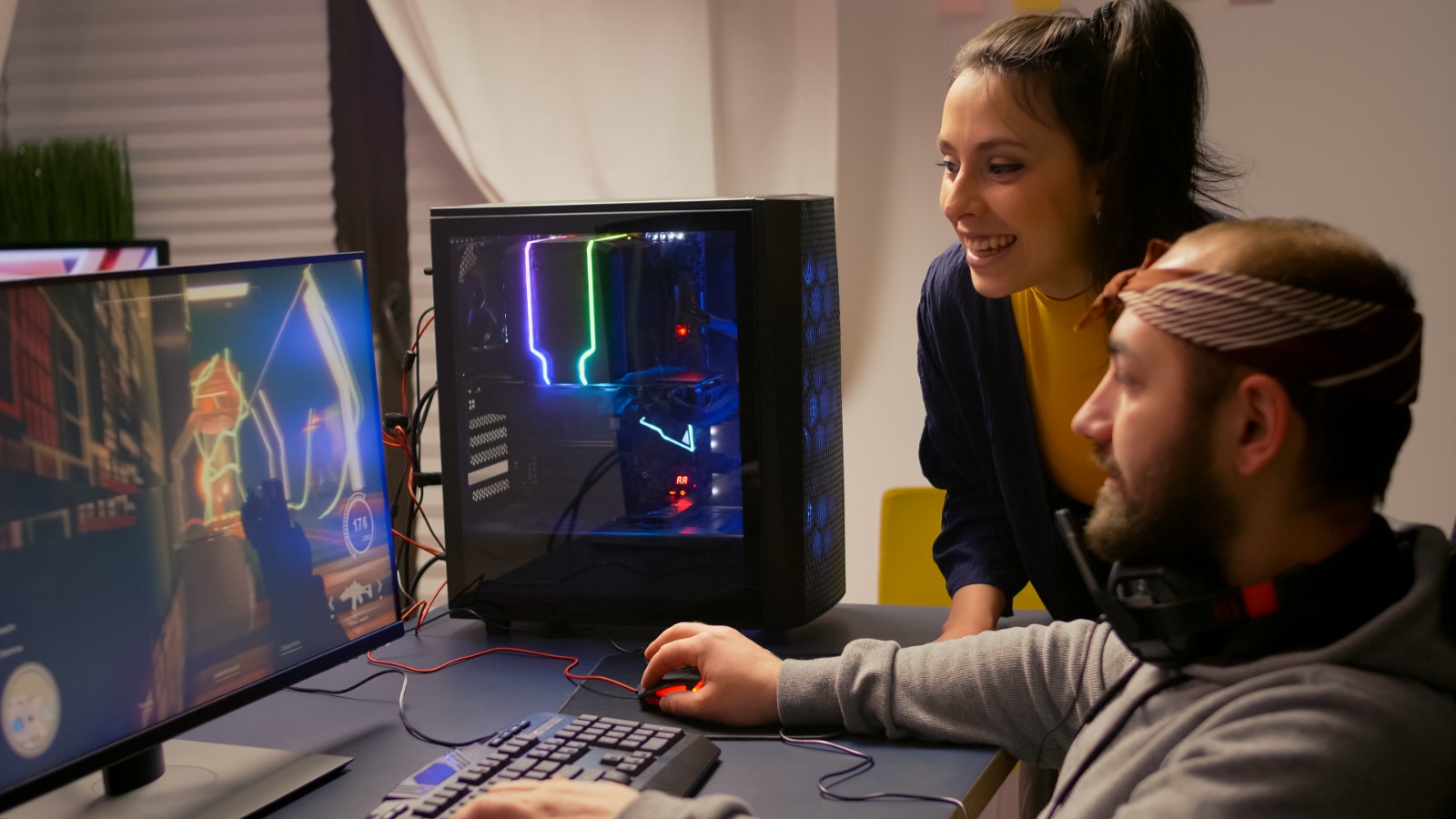
Concept art serves as the foundation of game design, providing early visual representations of characters, environments, props, and more. It acts as a blueprint that guides the aesthetic direction before full-fledged game development begins.
The Role of Concept Art in Game Development
Concept art ensures a cohesive vision among team members, allowing for experimentation with different artistic styles before programming or modeling begins. It helps define the mood, tone, and visual identity of the game, shaping the player’s experience right from the start.
If you’re looking to bring your creative vision to life, our game design and development services can help. Contact us today!
Tools and Techniques Used in Concept Art
Modern concept artists employ a variety of tools, ranging from traditional drawing techniques to advanced digital painting software such as Adobe Photoshop and Procreate. AI-powered tools are also revolutionizing the field, enabling faster iterations and expanding creative possibilities in game art.
The Purpose of Storyboarding
Storyboarding is essential for mapping out the game’s narrative flow and key events. It helps developers visualize the player’s journey, identify pacing issues, and ensure a seamless connection between the storyline and gameplay mechanics.
Developing Engaging Game Mechanics
Game mechanics determine how players interact with the virtual world. The right balance between challenge and reward is crucial to maintaining player engagement. Factors such as control schemes, difficulty progression, and feedback loops play a significant role in designing a compelling gaming experience.
Our team specializes in crafting engaging game mechanics that keep players immersed. Reach out to us today!
Balancing Story and Gameplay
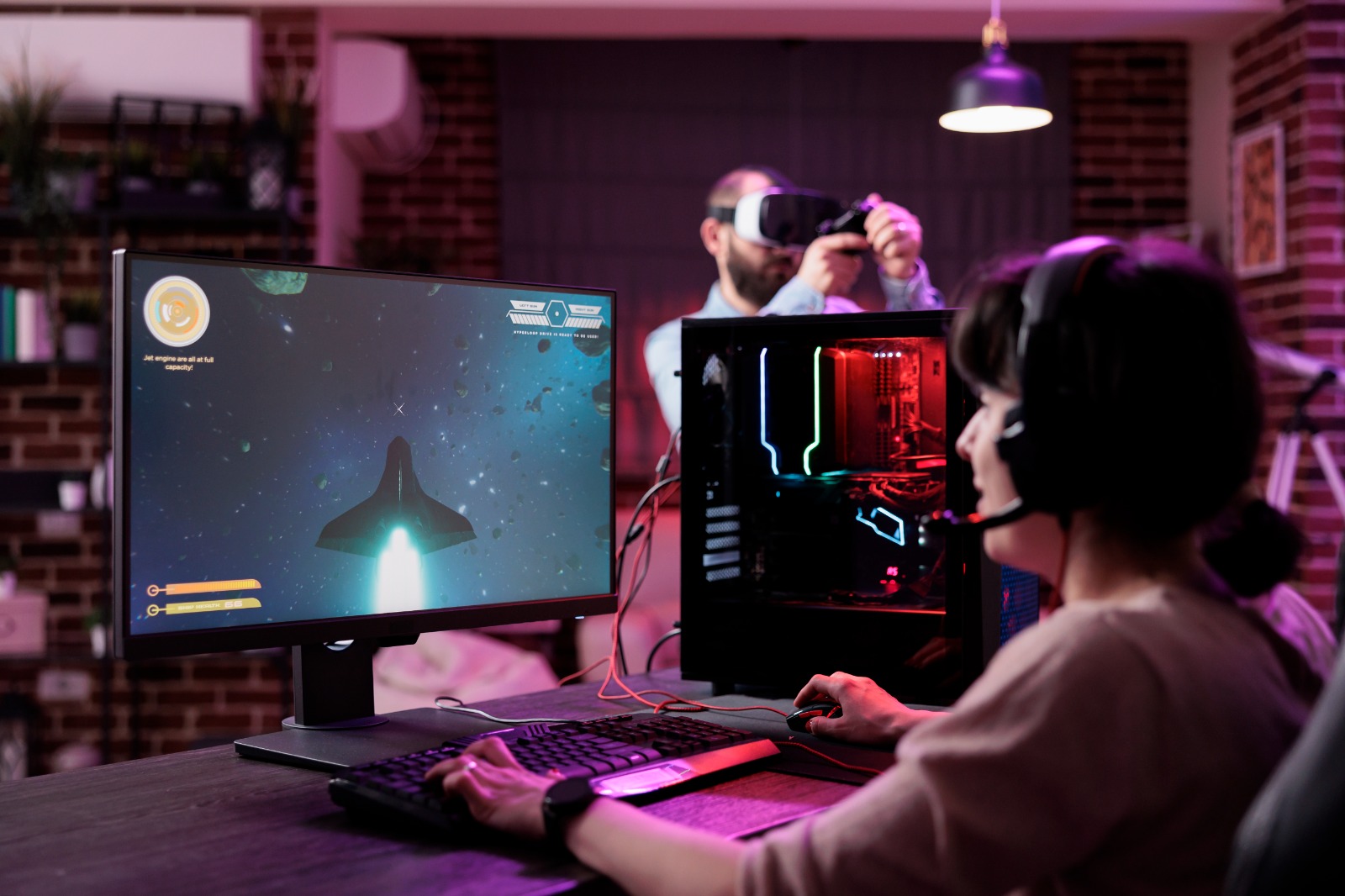
An effective game seamlessly integrates its story with gameplay. The narrative should enhance the mechanics, creating an immersive experience where players feel their actions impact the world around them. Well-integrated game mechanics and strong storytelling are what elevate a game from being just playable to truly memorable.
Key Elements of World Building
World-building involves crafting the settings, cultures, histories, and rules of a game’s universe. Well-designed environments not only look visually stunning but also provide a rich backstory that deepens player immersion.
Techniques for Creating Immersive Environments
Elements like environmental storytelling, dynamic lighting, and interactive features contribute to creating lifelike worlds. Details such as ambient sounds, weather changes, and realistic physics further enhance the gaming experience. Concept art plays a crucial role in shaping these environments, ensuring that every aspect aligns with the intended artistic vision.
Case Studies of Successful World Building
Iconic games like The Witcher 3 and The Elder Scrolls V: Skyrim have set high standards for immersive world-building. Their vast landscapes, intricate details, and deep lore demonstrate the impact of well-crafted environments on player engagement. Game design in these titles exemplifies how art, story, and mechanics blend to create unforgettable experiences.
Crafting Compelling Characters
Characters serve as the heart of many games, acting as avatars or companions for players. Developing unique personalities, backstories, and motivations ensures that characters resonate with players, making the experience more memorable.
Animation Techniques and Technologies
Advancements in motion capture and AI-driven animation have significantly improved character realism. These technologies allow for expressive facial movements, fluid interactions, and natural body mechanics, enhancing player connection with in-game characters. Game animation today is more dynamic than ever, enabling realistic interactions that deepen immersion.
Our animation and game development experts can bring your characters to life. Contact us to learn more!
Integrating Characters into the Game World
For a cohesive experience, characters must interact naturally with their surroundings. Proper integration ensures that their behaviors, animations, and responses align with the game’s narrative and environment. Concept art plays a crucial role in character integration, ensuring that visual elements are consistent with the game’s world-building efforts.
Playtesting and Refinement
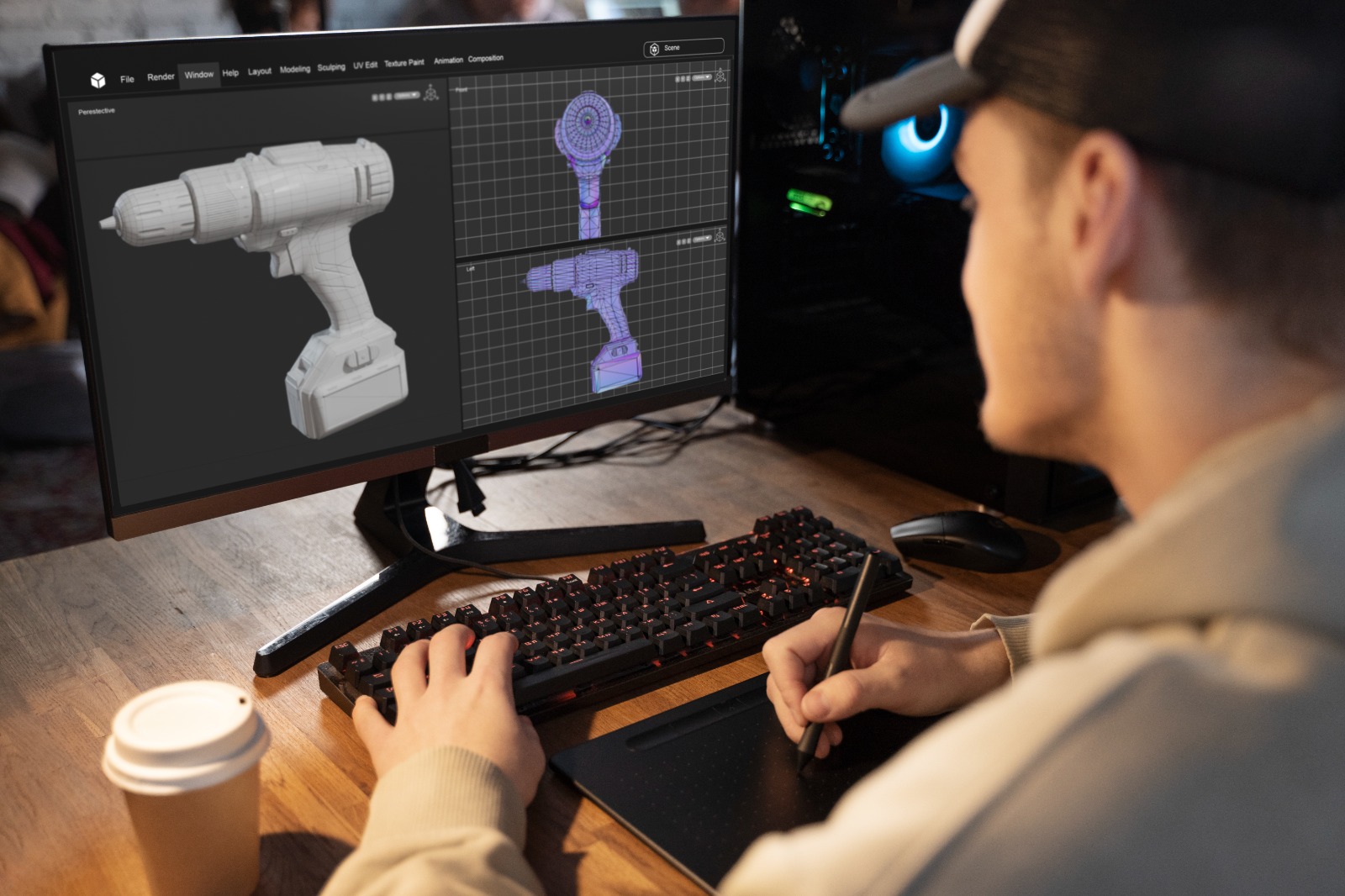
As the game takes shape, rigorous playtesting is crucial. This phase involves real players testing the game to identify bugs, glitches, and imbalances in mechanics. Gathering feedback helps developers fine-tune aspects such as level difficulty, pacing, and gameplay mechanics to ensure a polished final product.
The journey of game design is an intricate and collaborative process that transforms creative ideas into immersive, playable worlds. From the initial concept art to the refinement of gameplay through playtesting, every stage requires artistic vision, technical expertise, and a deep understanding of player engagement. By carefully crafting each element, game designers create experiences that captivate players, transporting them into dynamic virtual worlds where stories unfold, challenges await, and imagination comes to life.
As the game takes shape, rigorous playtesting is crucial. This phase involves real players testing the game to identify bugs, glitches, and imbalances in mechanics. Gathering feedback helps developers fine-tune aspects such as level difficulty, pacing, and gameplay mechanics to ensure a polished final product.
Comprehensive game testing and refinement services ensure a seamless experience. Connect with us today!
The journey of game design is a multifaceted process that transforms creative ideas into immersive, playable worlds. From concept art to gameplay refinement, each step requires a fusion of artistic vision, technical prowess, and player engagement insights. By carefully crafting each element of game development—from drawing early sketches to refining animation—game designers create dynamic experiences where players can explore, interact, and immerse themselves in captivating virtual realms.
FAQs
1. What is game design and development?
Game design and development involve creating interactive digital experiences, combining elements such as storytelling, visual design, and programming to build engaging games. Game design focuses on the conceptual aspects, while development brings those ideas to life through coding and technology.
2. Is game design a good career?
Yes, game design is a promising career with opportunities in various sectors, including entertainment, education, and simulation. With the rise of the gaming industry and advancements in technology, skilled game designers are in high demand worldwide.
3. What are the 7 stages of game design?
The 7 stages of game design typically include:
- Concept development
- Pre-production
- Production
- Testing and quality assurance
- Pre-launch marketing
- Launch
- Post-launch support and updates
4. Which university is best for game development in Pakistan?
Some of the top universities in Pakistan offering game development programs include:
- National University of Sciences and Technology (NUST)
- COMSATS Institute of Information Technology
- Punjab University College of Information Technology (PUCIT)
- Bahria University
- University of Management and Technology (UMT)
These universities offer courses in game design, animation, and software development, equipping students with the skills needed to excel in the gaming industry.