Telemedicine 2025: AI-Powered Virtual Care & Healthcare Tech
Imagine waking up in the middle of the night with an unusual symptom. Instead of rushing to the ER, your smartwatch flags the issue, an AI assistant schedules a virtual consultation, and medication is delivered to your doorstep—all before sunrise. Welcome to 2025, where telemedicine has evolved from a convenient option to the backbone of modern healthcare driven by AI-powered virtual care solutions that prioritize speed, accuracy, and patient accessibility.

Virtual care is no longer a futuristic concept; it’s an everyday reality that’s reshaping access, affordability, and efficiency in healthcare. With over 50% of medical consultations in the U.S. now happening virtually, telemedicine is not just saving billions in costs but also ensuring better health outcomes worldwide. WHO & CDC report that over 58% of primary care visits globally in early 2025 were conducted via telehealth platforms. Here’s how:
1. Healthcare Without Borders
Gone are the days when geography determined the quality of care you receive. Telemedicine has bridged the gap between urban hospitals and remote villages, making specialized care accessible to all.
- Rural Healthcare Revolution: Remote communities now receive diagnostic tools via drone deliveries, with specialists analyzing results in real time.
- Global Collaboration: Doctors across continents work together on complex cases, ensuring patients receive the best possible advice.
- Inclusive Care: People with mobility challenges can now consult specialists from the comfort of their homes, eliminating the struggle of inaccessible clinics.
In regions like sub-Saharan Africa and Southeast Asia, mobile-first telehealth platforms saw a 70% usage increase since 2023.
Looking to enhance your healthcare services? Contact us today for innovative solutions tailored to your needs.
2. Convenience at Its Best
With telemedicine, healthcare is finally adapting to modern lifestyles. No more long waits, travel expenses, or scheduling conflicts—just care when and where you need it.
- AI-Powered Diagnoses: Smart health assistants detect symptoms and connect you with specialists instantly.
- Wearable Integration: Devices now monitor conditions like diabetes and heart disease in real time, sending alerts to doctors before emergencies occur.
- Instant Second Opinions: Platforms offer rapid consultations with top-tier specialists, eliminating uncertainty in diagnoses.
Leading platforms now integrate with generative AI to offer context-aware symptom analysis, reducing misdiagnosis risk by 25%.
As part of this innovation, AI triage systems in healthcare are becoming standard in many digital clinics, streamlining patient prioritization and enhancing diagnostic accuracy.
3. Cutting Costs, Enhancing Value
Telemedicine isn’t just improving care—it’s making it more affordable. By reducing hospital visits, cutting administrative expenses, and preventing unnecessary ER trips, virtual care is saving both patients and providers billions annually.
- Lower Consultation Fees: Virtual visits cost significantly less than in-person appointments, making healthcare more accessible.
- Preventative Care Savings: Early intervention through telemedicine prevents costly complications, particularly for chronic conditions.
- Optimized Billing & Insurance Processing: Companies like SybridMD are ensuring that healthcare providers maximize revenue with efficient medical billing solutions, reducing claim denials and improving cash flow. Contact SybridMD today to streamline your operations and enhance your revenue cycle.
Telemedicine contributes to over $12 billion in annual healthcare savings in the U.S. alone, according to 2025 AMA projections.
4. Smarter Healthcare, Happier Providers
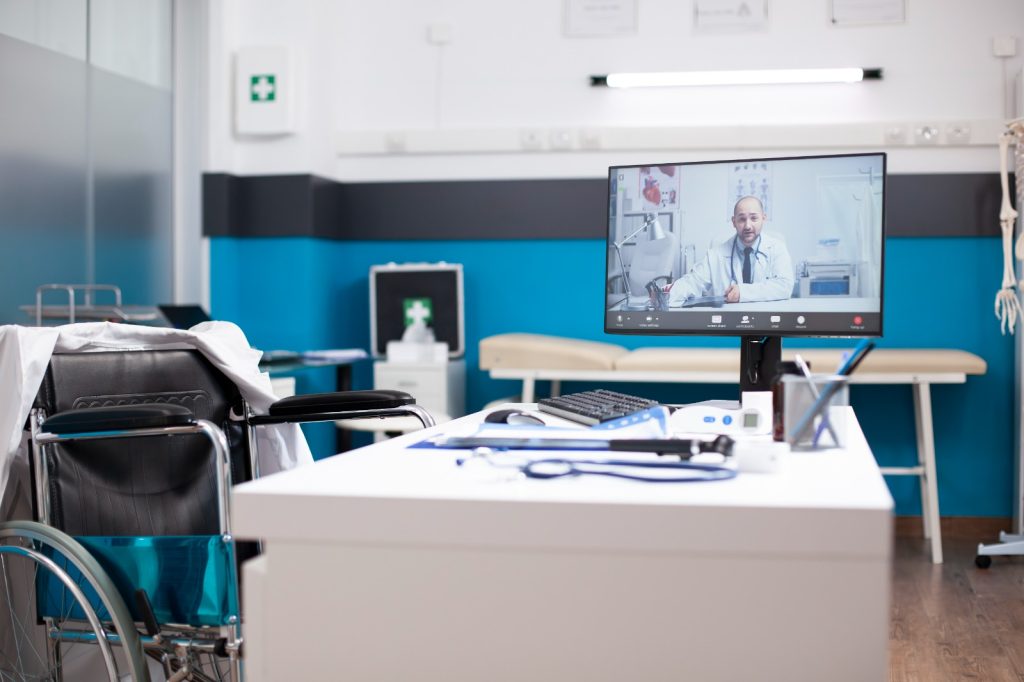
With increasing staff shortages, healthcare professionals are leveraging telemedicine to manage patient loads more effectively.
- AI-Assisted Documentation: Automating administrative tasks frees up more time for patient care.
- Remote Monitoring: Specialists can oversee patients from anywhere, reducing strain on hospital resources.
- Cross-Border Staffing: Virtual support teams handle routine consultations, allowing specialists to focus on critical cases.
Use of ambient AI listening tools for note-taking during virtual visits has improved physician satisfaction by 40%, per HIMSS 2025 data.
5. Chronic Disease Management Reimagined
Instead of reacting to health issues, telemedicine is shifting the focus to proactive care.
- Diabetes Control: Smart apps provide dietary recommendations and medication reminders in real time.
- Blood Pressure Monitoring: AI-driven prompts encourage healthier habits, preventing serious complications.
- Mental Health Support: Virtual therapy sessions and AI-driven wellness platforms make mental healthcare more accessible than ever.
AR-based therapy tools for anxiety and PTSD are now available via virtual care platforms. These tools are part of a larger push toward chronic disease telehealth management, where continuous virtual monitoring replaces episodic care.
Simplify your healthcare operations with us. Get in touch with us today.
The Technology Behind the Transformation
Telemedicine’s rapid rise is fueled by groundbreaking technology:
- 5G Connectivity: Enables real-time remote surgeries and consultations.
- Blockchain in Healthcare: Enhances security and transparency in medical records. As privacy becomes a top priority, blockchain healthcare security 2025 is shaping how patient data is encrypted and verified.
- Metaverse Clinics: Provides immersive virtual care experiences, reducing patient anxiety. These telemedicine metaverse solutions are making virtual consultations more engaging and personalized than ever.

The Future of Healthcare is Here
Telemedicine isn’t replacing traditional healthcare—it’s enhancing it. Whether you’re managing a chronic condition, seeking a quick consultation, or accessing specialist care, virtual healthcare ensures you get the help you need, when you need it.
As per WHO’s 2025 Digital Health Report, over 80 countries now include telehealth as part of national care delivery systems.
Ready to experience the future of healthcare? Explore virtual care options today and take control of your health like never before.
For healthcare providers, ensuring smooth billing and reimbursement processes is crucial in this digital shift. SybridMD, a leading medical billing company in the USA, offers secure, efficient, and cost-effective solutions to support this transition. Check how SybridMD can streamline your practice’s revenue cycle today!
Frequently Asked Questions (FAQs)
- How can telemedicine be used in healthcare?
Telemedicine enables remote consultations, diagnoses, and treatment plans through virtual platforms, improving accessibility and reducing the need for in-person visits. - What does telemedicine allow for?
It allows for real-time consultations, remote monitoring, prescription management, and access to specialists, making healthcare more convenient and efficient. - What is a telemedicine device?
A telemedicine device includes tools like smartwatches, wearable health monitors, and video conferencing systems that facilitate remote medical care. - Is telemedicine secure and private?
Yes, telemedicine platforms use encrypted communication and comply with healthcare privacy regulations like HIPAA to ensure patient data remains confidential. - Can telemedicine replace in-person doctor visits?
While telemedicine enhances access to care, it is not a complete replacement for in-person visits, particularly for emergency cases or procedures requiring physical examinations.