Is Your Photo Turning Into a Deepfake?
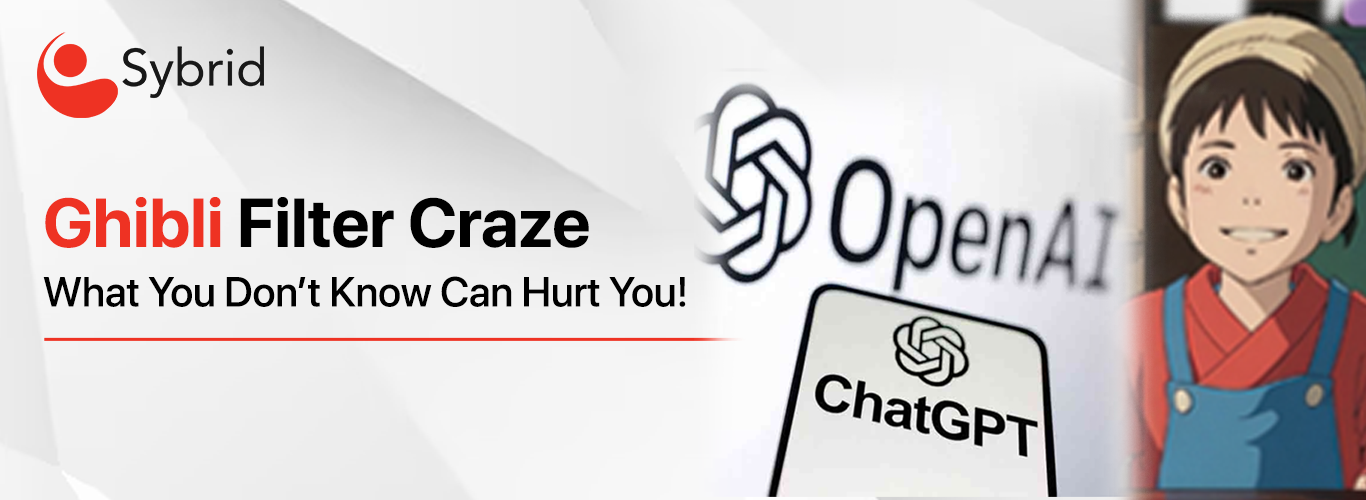
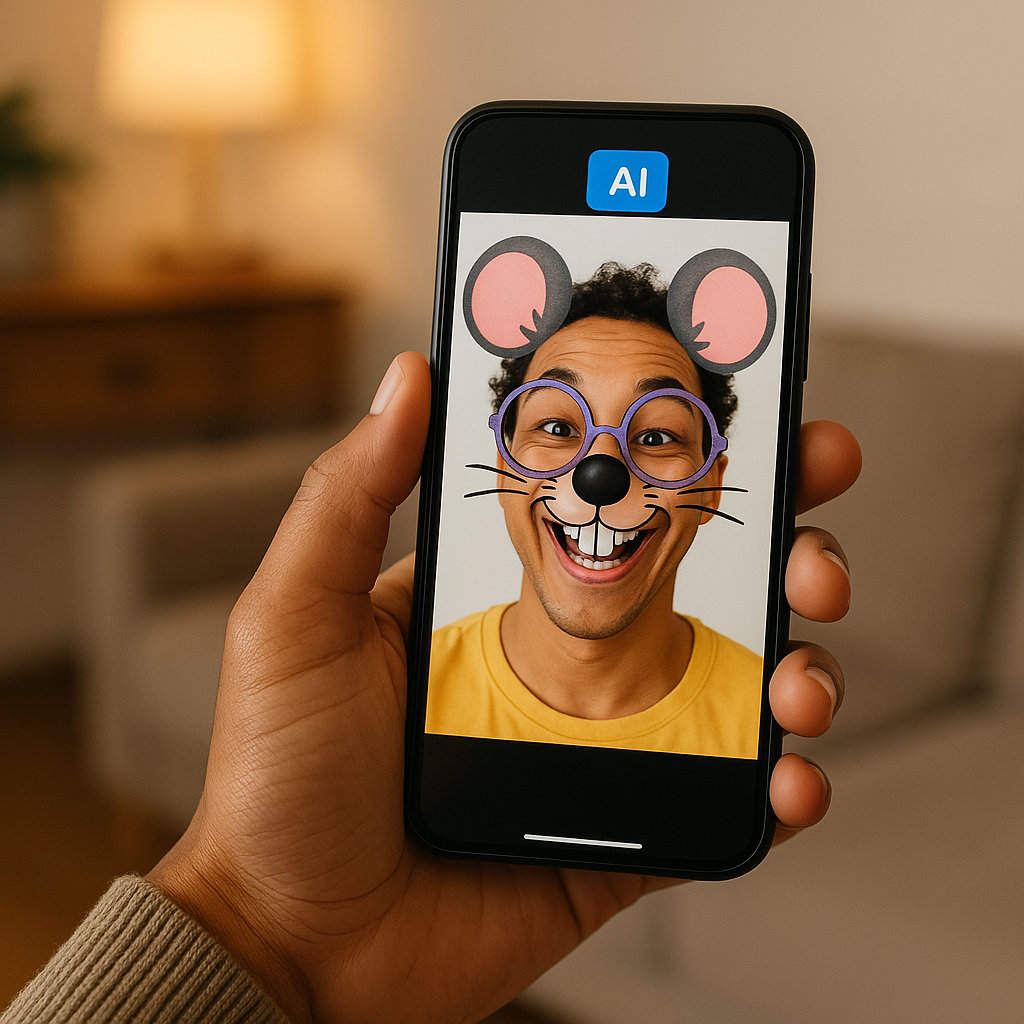
It’s so easy. You upload a picture to an AI app, maybe a casual snap from your gallery or a recent portrait, just to see how you’d look as a whimsical Studio Ghibli character or even as an astronaut. It’s fun, quirky, and seems harmless enough, right? The result? A magical transformation you share with your friends on Instagram or set as your new profile picture.
#DidYouKnow that more than 150 million people have joined ChatGPT, many jumping on the viral #GhibliArt trend? It got so popular that OpenAI had to place temporary limits. Did you join the bandwagon too?
But have you ever wondered where that image goes after you click “accept” or grant access to your photo library? In a world where we’re promised magic at the tap of a screen, we rarely pause to consider what we’re giving away in exchange for those delightful filters and animated images.
Those Ghibli-style portraits you adore? They could soon be part of a much larger digital ecosystem, one where your visual identity is no longer yours alone. This is the power of AI image generators, like those powered by OpenAI and other generative AI systems, which are changing the game in how we perceive art and identity.

The Illusion of Innocence
Let’s be honest, AI has become an integral part of our everyday entertainment. From generating art to fixing blurry photos, and even imagining ourselves in alternate realities, these moments feel playful, even magical. They make life more interesting and easier, right?
But here’s the truth: these interactions aren’t just for fun. They’re also training sessions for the AI systems. Every image, every voice note, and every typed prompt you share is valuable data. Data that companies store, analyze, and use to fine-tune their algorithms, whether it’s AI art generators or advanced AI chatbots like ChatGPT-4.
And sometimes, that data doesn’t just stay in the confines of the app.
Curious how generative AI is shaping business tools? Sybrid can help you make sense of it, all with a responsible lens.
The Netflix Wake-Up Call
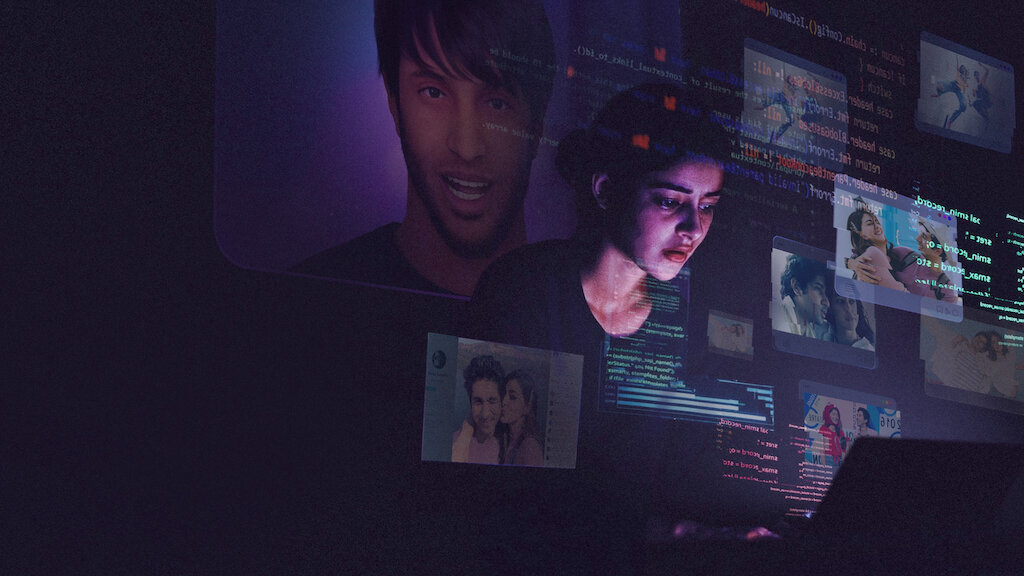
If you haven’t already, add CTRL to your watchlist. This Netflix series is more than just a thrilling ride: it’s a wake-up call. The show depicts the sinister potential of AI-generated deepfakes, like fake videos and photos created using real people’s faces. Regular people. People like you and me. People who just shared too much of themselves online.
The disturbing part? CTRL isn’t fiction. It’s a mirror to our reality. The series shows how selfies, candid photos, and voice recordings can be twisted and manipulated to create fake content, used for blackmail, propaganda, or worse.
In a world where digital identities are created with the click of a button, we are all vulnerable. The show forces us to confront a chilling truth: Our data is not just a tool for entertainment; it can be weaponized.
Who’s Powering the AI You Use Every Day
What many users don’t realize is that behind every playful AI art app is a complex web of infrastructure. These platforms are often supported by IT solution companies, software development agencies, and BPO companies that help bring AI to life, handling everything from the backend engineering to data processing and feature development.
Many of the top BPO companies in Pakistan and IT firms in the USA are now actively involved in building smarter, more scalable AI systems, not just for entertainment, but for healthcare, education, finance, and beyond. As AI becomes more embedded in our digital routines, these companies play a crucial role in shaping how responsibly it’s used.
That responsibility doesn’t just lie with users; it belongs equally to the developers, vendors, and tech partners building these tools. The best app development companies and managed service providers are the ones prioritizing transparency, secure data handling, and user-first design. Responsible innovation means ensuring users know how their data is used, stored, and protected, without compromising on creativity or convenience.
If you’re building AI tools that prioritize user trust, Sybrid is the partner that gets it right.
Your Data Has a Destination, And It’s Not Always One You’d Approve Of
Let’s break this down. When you upload a photo to an AI app, you’re often agreeing to terms that allow the platform to use, store, and sometimes sell your image. Some companies even reserve the right to use your data to train future models: models that could be sold to governments, surveillance systems, or private agencies.
What begins as a fun personalization can quickly evolve into something far more invasive. Suddenly, your digital profile is being built without your full awareness: AI that understands your preferences, routines, and can even mimic your face and voice. This is the dark side of generative AI and AI for businesses, where personal data is often not just collected but exploited.
Looking to build AI tools that respect your users’ privacy? Sybrid’s approach to AI is rooted in ethical innovation.
So What Can You Do?
The goal here isn’t to scare you away from using technology, but to equip you with the knowledge to make smarter decisions. Here’s how you can stay in control of your data:
- Read the fine print: Always check the terms and conditions of the apps you use. Know exactly what you’re agreeing to before uploading your photos, especially with free AI image generators or AI photo generators.
- Be cautious with sensitive data: If you wouldn’t share a photo or detail publicly, don’t share it with an app. Your personal images are valuable data that could be misused. In the realm of AI art generators and AI image generators, remember that what you upload could be part of a broader database used for future projects, such as deepfake creation.
- Use anonymous or alternate profiles: Consider using pseudonyms or separate profiles when testing out new platforms. It’s a small step to protect your identity in the growing world of AI for businesses and generative AI.
- Stay informed: The more you know about data practices, the harder it is for tech companies to take advantage of you.

This Isn’t About Fear, It’s About Control
In today’s world, our digital selves are often more active than our real-world selves. And that’s okay, as long as we’re in the driver’s seat. AI can offer us so many cool opportunities, but only if we stay alert, aware, and in control of our own data.
The magic isn’t in the tech; it’s in our ability to use it wisely.
In this world of ever-advancing technology, it’s crucial to remember that your face, your voice, and your identity are more than just data points; they’re pieces of who you are. And once shared, they could be used in ways you never intended.
So, the next time you think about uploading a picture for a Ghibli-style transformation, ask yourself: What am I really giving away?
Let’s use AI wisely, and most importantly, let’s stay in control.
Whether you’re a business exploring AI or just a curious user, making smarter choices starts with the right partners. Sybrid is here to help you build with clarity, creativity, and responsibility. Connect with us today.
FAQs: What People Are Asking
Q: What are the impacts of AI on social media?
AI is revolutionizing social media by personalizing content, automating posts, and enhancing user interaction through chatbots and AI-generated images. However, it also raises privacy concerns as user data is constantly collected and analyzed.
Q: What are the social impacts of deepfakes?
Deepfakes can manipulate people’s perceptions by creating fake videos or photos, often leading to misinformation, fraud, or even blackmail. This has serious social implications, from undermining trust in media to spreading harmful content.
Q: What is the danger of AI in social media?
The primary danger of AI in social media is the potential for data misuse. AI algorithms can manipulate users’ behavior, reinforce harmful stereotypes, or even create deepfakes to deceive people, all while gathering and monetizing personal data.
Q: What are the pros and cons of AI in social media?
Pros include enhanced user engagement, personalized experiences, and improved content creation. However, the cons involve privacy breaches, the spread of deepfakes, and the manipulation of public opinion.
Q: Is it safe to use AI image generators?
They can be safe, but it depends on the platform’s data policy. If the platform stores or sells your data, it could be risky. Always check the privacy policy and ensure your images won’t be repurposed for commercial or malicious use.
Q: What’s the danger in uploading my photo to an AI app?
Uploading your photo may give the platform rights to use it, which could lead to it being sold, misused for deepfakes, or used to train AI models without your consent.