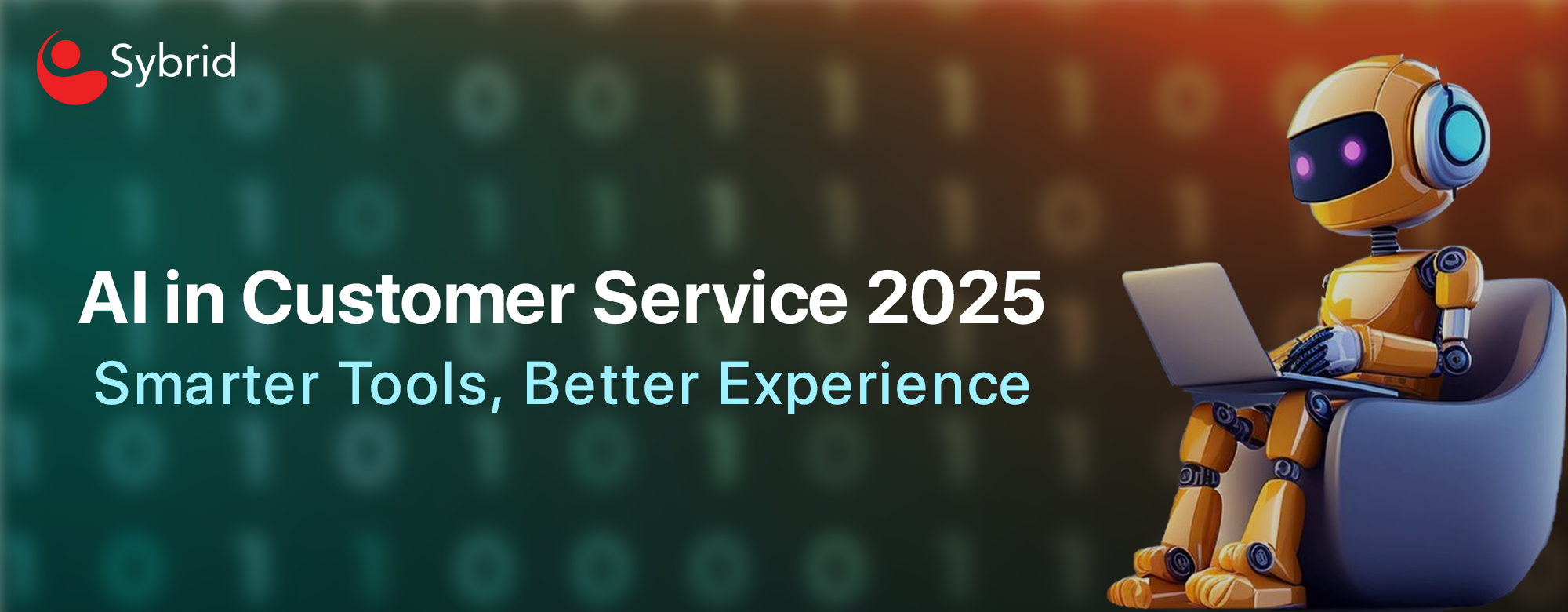
AI in Customer Service in 2025
Businesses today face sky-high customer expectations. Integrating AI tools for marketing and support, such as intelligent chatbots, voice assistants, predictive analytics, and sentiment engines, is key to meeting those demands. These smart systems offer 24/7 instant answers, personalize interactions using data, and even anticipate problems before they happen. In this blog, we explore the latest 2025 trends and tools (from GPT-powered chatbots to advanced voice AI) that are transforming customer service. Learn how your company can leverage AI-driven solutions to boost satisfaction, efficiency, and loyalty, or risk falling behind.
In a fast-paced market where customers expect instant, helpful responses, traditional support methods often fall short. AI tools for marketing (intelligent chatbots, analytics platforms, virtual assistants, etc.) bridge the gap by delivering quick, personalized solutions around the clock. For example, advanced chatbots can handle routine questions immediately, freeing human agents to focus on complex issues. Combined with AI-powered data analysis, businesses can tailor recommendations and even predict customers’ needs. Companies that embrace these tools gain a competitive edge and create the kind of service experiences that today’s consumers crave.

Smart Chatbots & Virtual Assistants
Modern chatbots, built on the latest large language models (LLMs), are leaps and bounds ahead of older bots. OpenAI’s ChatGPT (now GPT-4o) and Google’s Gemini, for example, are multimodal assistants that understand text, images, audio, and even video. They can answer questions, summarize information, or even engage in voice conversations naturally. In practice, a GPT-based chatbot on your website can resolve common support issues instantly – 24/7 – reducing customer wait times to zero. These systems learn from each interaction, so responses get more accurate and helpful over time. Integrating chatbots with your CRM or marketing platforms also means they can pull real-time customer data to make personalized suggestions (like related products or next steps). The bottom line: AI-powered chatbots deliver faster, more consistent support, and our data shows businesses using them see a jump in customer satisfaction and loyalty.
Want to launch smarter chatbots? Partner with Sybrid’s AI Services in Pakistan to deliver customer support that never sleeps.
Intelligent Analytics & Personalization
Today’s AI tools don’t just answer questions; they understand customers. By mining support tickets, purchase history, and interaction data, AI-powered analytics identify patterns and customer preferences. Predictive analytics engines can forecast issues before they escalate and recommend the right products or solutions to each user. For example, if a customer frequently inquires about a certain feature, an AI system can flag this and alert agents to proactively follow up. Similarly, marketing platforms now use AI to segment audiences and tailor content; this means support teams can access the same intelligence to offer personalized help. In practice, tools like Salesforce Einstein or HubSpot’s AI add-ons analyze customer signals to surface next-best actions. As Sprinklr notes, these engines “anticipate needs and tailor experiences,” making each interaction both personalized and empathetic. By combining marketing analytics with customer service data, businesses can ensure that every recommendation or answer feels custom-fit – a key to building stronger, long-term customer relationships.
- Benefit: Quick personalization – AI can automatically craft support responses or offers based on each customer’s profile, boosting engagement.
- Benefit: Proactive service – Machine learning models predict what a customer might need next (e.g., alerting support of a potential issue), so teams can act before complaints arise.
Sentiment Analysis & Real-Time Feedback
Tracking customer mood is easier with AI. Advanced sentiment analysis tools scan incoming emails, chat transcripts, or social media mentions to detect frustration, happiness or confusion in real time. Solutions like MonkeyLearn, Clarabridge, or even built-in features of customer platforms can automatically tag tickets with sentiment scores. For instance, if a customer’s message is flagged as “very dissatisfied,” the system can escalate that ticket or adjust the bot’s responses immediately. Companies also use social listening tools (often AI-driven) to gather feedback from Twitter, Facebook, or review sites. This broad sentiment data helps refine products and support processes. AI-powered sentiment tools essentially give support teams an “emotional dashboard,” ensuring no negative feedback slips through the cracks. By continuously analyzing feedback, businesses can quickly address concerns and tune their service strategies, an approach proven to improve loyalty.
AI Voice Assistants & Speech Recognition
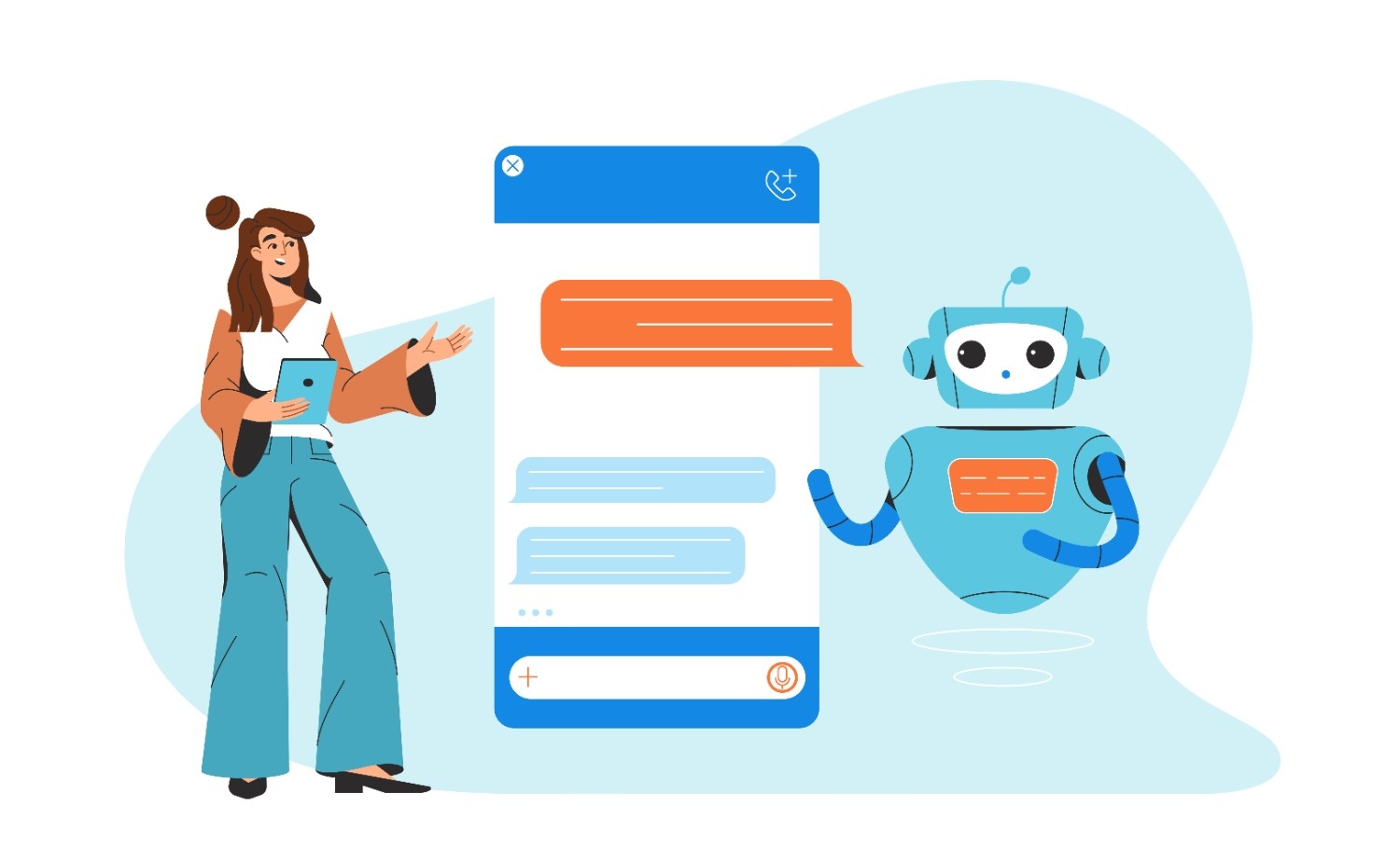
Voice-driven AI is making customer service more conversational and accessible. AI voice assistants (like Apple’s Siri, Google Assistant or Amazon Alexa) interpret spoken queries using natural language understanding and respond immediately. Beyond consumer devices, specialized systems (PolyAI, Spitch, etc.) bring these capabilities into call centers. PolyAI’s assistants, for example, are trained on advanced LLMs to converse naturally and support customers in 45 languages. They can handle tasks like appointment scheduling or basic troubleshooting, even navigating mid-sentence changes (e.g., “Call me tomorrow… no, make that next week”). The result is 24/7 hands-free support, which is especially valuable for urgent issues. AI voice bots also help route calls intelligently: if a query is complex, they connect the customer to a human agent with all the context already relayed. In 2025, these voice tools will often include features like text-to-speech summarization and even image-generating “visual assistants” to aid the hearing-impaired. As the tech evolves (Apple’s Siri now uses on-device AI for privacy, for instance), voice assistants will become even more seamless and context-aware, blending effortlessly into customer interactions.
Looking to stay ahead of 2025 trends in customer experience? Sybrid provides AI-powered business solutions that help you scale faster and serve better.
Predictive & Proactive Support
One of the most exciting AI trends is predictive support. Using AI models, companies can forecast customer needs and reach out before a problem is reported. For example, if AI detects a usage pattern that often precedes a service issue, the system can prompt a support agent to contact the customer. Or if data shows a customer is likely to churn, marketing automation can trigger a special offer. These predictive insights come from analyzing massive data sets – something only AI can do at scale. According to Sprinklr research, predictive analytics engines “anticipate needs and tailor experiences,” ensuring each customer interaction feels proactive and caring. In practice, this might mean sending a personalized how-to guide right after a difficult purchase, or automatically generating follow-up messages for customers who have unresolved tickets. By solving issues before they arise and keeping customers informed, businesses not only reduce inbound queries but also win greater loyalty and trust.
Data Security & Trust
With all this data flowing through AI systems, security and privacy are paramount. Businesses must use AI tools that comply with regulations like GDPR and CCPA, ensuring customer data is encrypted and anonymized where possible. Many leading platforms offer built-in privacy controls For example, Sprinklr’s AI masks sensitive information to protect privacy. Customers need to trust that these intelligent systems handle their information responsibly. Clear communication about how AI is used (and giving customers opt-out options) is important. When done right, emphasizing security actually builds credibility: a customer confident in your data practices is more likely to share information that AI can use to improve service. In short, robust security measures and transparency are as critical as the AI algorithms themselves – both for compliance and for maintaining customer trust.

Did you know?
88% of marketers now use AI-driven tools in their daily roles to analyze data and automate tasks. Integrating these AI tools for marketing into customer support means faster responses and smarter interactions.
Did you know?
93% of consumers say they will likely buy again after a positive service experience. AI personalization and instant responses help create those positive experiences that win repeat business.
Did you know?
83% of customers feel more loyal to brands that quickly resolve their issues. Intelligent support tools can significantly speed up resolution and boost loyalty.
The Future of AI in Customer Service
AI isn’t just enhancing customer support, it’s redefining it. From real-time chatbots and voice assistants to predictive service alerts and emotion-aware AI, 2025 is proving to be the year customer experience gets smarter, faster, and more personalized. Companies that embrace these tools will not only resolve issues quickly but also build stronger, lasting relationships with their customers.
With the right strategy and partner, your business can turn AI into a competitive advantage.
This is where Sybrid comes in. As a leading IT Solutions and Technology Services Company in Pakistan, Sybrid helps businesses deploy AI-powered customer service, from chatbot integration to AI-driven analytics, ensuring seamless, always-on support.
FAQs
Q: What are “AI tools for marketing” and how do they improve customer service?
AI marketing tools include chatbots, intelligent analytics, and automation platforms. In customer service, they answer common queries instantly (via chat or voice), personalize communication using data insights, and automate follow-ups. This leads to faster, more relevant support – for example, a smart chatbot can suggest products based on customer history, or predictive analytics can flag an issue before the customer notices it.
Q: Do AI chatbots replace human support agents?
Not entirely. Modern AI chatbots handle routine or repetitive tasks, freeing agents to focus on complex issues. They work alongside humans – for instance, AI might handle Tier-1 questions instantly, then seamlessly escalate to a human agent if needed. This hybrid approach actually makes support teams more efficient and lets human agents provide higher-value assistance.
Q: Is customer data safe with AI systems?
Yes – when implemented responsibly. Reputable AI platforms include strong encryption and follow privacy standards (like GDPR compliance). Many solutions anonymize data and offer controls on what can be shared with AI models. It’s crucial to partner with a trusted provider (like Sybrid) that prioritizes security. Transparent data policies and secure AI deployments help maintain customer trust while still letting you leverage personalization.
Q: Can small businesses benefit from these AI customer service tools?
Absolutely. Many AI tools are now affordable and easy to implement for small teams. Chatbot builders, voice assistants, and analytics platforms can scale to any size. For small businesses, the value is huge: you can offer 24/7 instant support and personalized outreach without hiring a large team. Starting with even one smart tool – say, a chatbot on your website – can significantly boost customer satisfaction and give you a competitive edge.
Q: What’s the first step to using AI in customer service?
Begin by identifying your most common customer needs or questions. Then choose an AI solution that addresses those priorities (e.g. a chatbot for FAQs or a sentiment analysis tool for social feedback). You may want to connect with experts like Sybrid to plan and integrate the right AI-Powered Business Solution. With a clear goal and the right partner, you can start small, measure results, and gradually expand your AI-driven support capabilities.